The Best Solution For Energy Saving And Reducing CO2 Emission

The Best Solution For Energy Saving And Reducing CO2 Emission
 Tel:
+86-532-85717690/85832089
Tel:
+86-532-85717690/85832089
 E-mail: [email protected]


In industries where extreme heat is part of daily operations—such as ceramics, metallurgy, glass manufacturing, and energy production—the materials that line furnaces, kilns, and stoves are just as critical as the equipment itself. Insulating fire bricks (IFBs) play a key role in these high-temperature applications. They not only protect equipment from thermal damage but also conserve energy, reduce operating costs, and improve efficiency.
However, not all insulating fire bricks are created equal. Different applications demand different brick properties, ranging from temperature resistance to density, mechanical strength, and chemical durability. Choosing the right insulating fire brick ensures your system operates safely, reliably, and cost-effectively. This article provides a step-by-step guide on how to select the best insulating fire brick for your specific application.
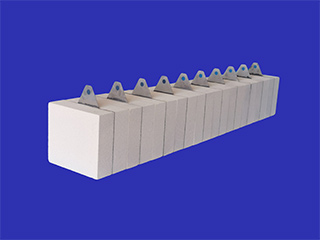
Insulating fire bricks are lightweight refractory products designed to withstand high temperatures while minimizing heat loss. Unlike dense fire bricks, which focus on mechanical strength and wear resistance, insulating fire bricks prioritize low thermal conductivity and high insulation performance.
The main differences between insulating fire bricks and regular (dense) fire bricks include:
Density: IFBs are less dense, making them lighter and easier to handle.
Thermal Conductivity: IFBs have significantly lower thermal conductivity, ensuring heat stays inside the furnace or kiln.
Mechanical Strength: Dense bricks are stronger and better suited for heavy wear, while IFBs are optimized for insulation.
Common applications of insulating fire bricks include:
Kilns for ceramics and pottery.
Glass furnaces.
Metal foundries.
Wood-fired ovens and stoves.
Incinerators and petrochemical facilities.
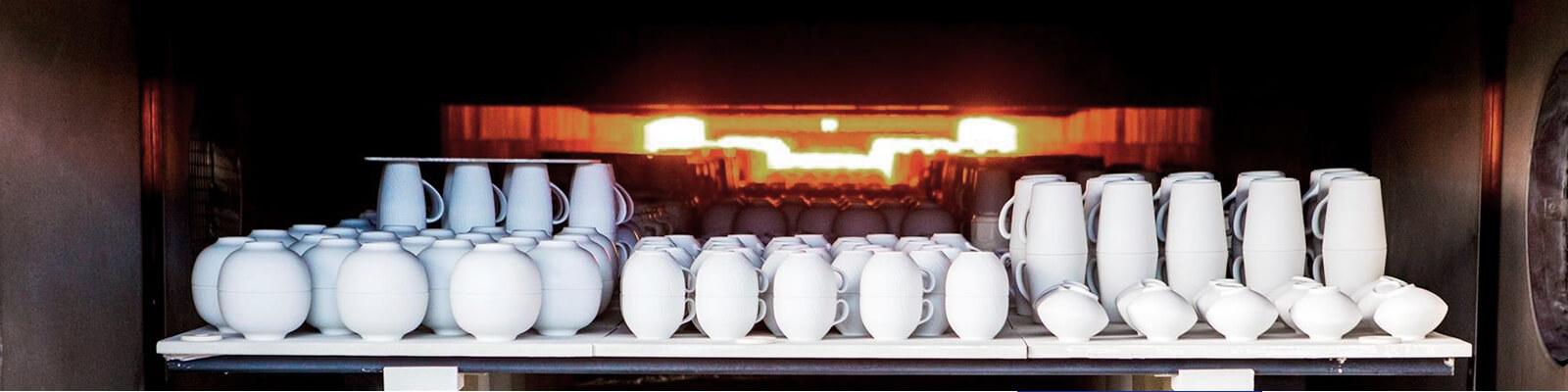
The first and most critical factor is the brick’s maximum service temperature. IFBs are manufactured with different temperature grades, such as 2300°F (1260°C), 2600°F (1425°C), or 2800°F (1540°C).
Low- to mid-range applications (ceramic kilns, pottery ovens) often only require IFBs rated around 2300°F.
High-intensity industrial applications (steel production, glass furnaces) demand bricks rated at 2600°F or higher.
Selecting a brick with too low a rating risks premature failure, while over-specifying adds unnecessary cost.
Density plays a dual role in insulation and durability.
Lower-density bricks: Better insulation, lighter, easier to install. Ideal for lining kilns or equipment where weight is a concern.
Higher-density bricks: Provide more structural stability and resistance to mechanical stress but reduce insulation efficiency.
When choosing, balance your insulation needs with mechanical strength requirements. For instance, a large furnace with heavy load-bearing sections may need higher-density bricks in certain zones and lighter IFBs in others.
Thermal conductivity determines how much heat passes through the brick. Lower thermal conductivity means less heat loss and higher energy efficiency.
For applications where fuel savings are critical, such as in ceramic production or continuous-process kilns, prioritize IFBs with the lowest possible conductivity while maintaining the necessary strength and temperature rating.
Although insulating fire bricks are not as strong as dense refractories, mechanical strength still matters, especially in load-bearing or abrasion-prone areas.
For arches, door frames, and structural parts of kilns, ensure the IFBs can withstand the applied load.
For non-load-bearing areas, lighter IFBs with lower strength may be acceptable and more cost-effective.
Insulating fire bricks come in standard sizes (commonly 9" x 4.5" x 2.5") but can also be manufactured in custom shapes to fit unique designs.
Proper fitting is crucial: poorly matched bricks leave gaps, which increase heat loss and compromise the furnace’s structural integrity. Choosing a supplier that offers customized shapes and sizes ensures optimal performance and minimal energy waste.
Certain industries expose fire bricks to corrosive environments. For example:
Steel plants may produce slag with high alkali content.
Glass furnaces may generate acidic vapors.
Petrochemical plants may expose bricks to hydrocarbons.
In these cases, select IFBs specifically formulated with resistance to the expected chemical attack. Consulting with a supplier is essential to match brick chemistry with process requirements.
While it’s tempting to focus on upfront costs, long-term performance should guide your choice. High-quality insulating fire bricks often come with a higher price tag but deliver:
Longer service life.
Reduced downtime from fewer replacements.
Lower energy costs due to better insulation.
Investing in the right brick saves more over the lifetime of your furnace or kiln.
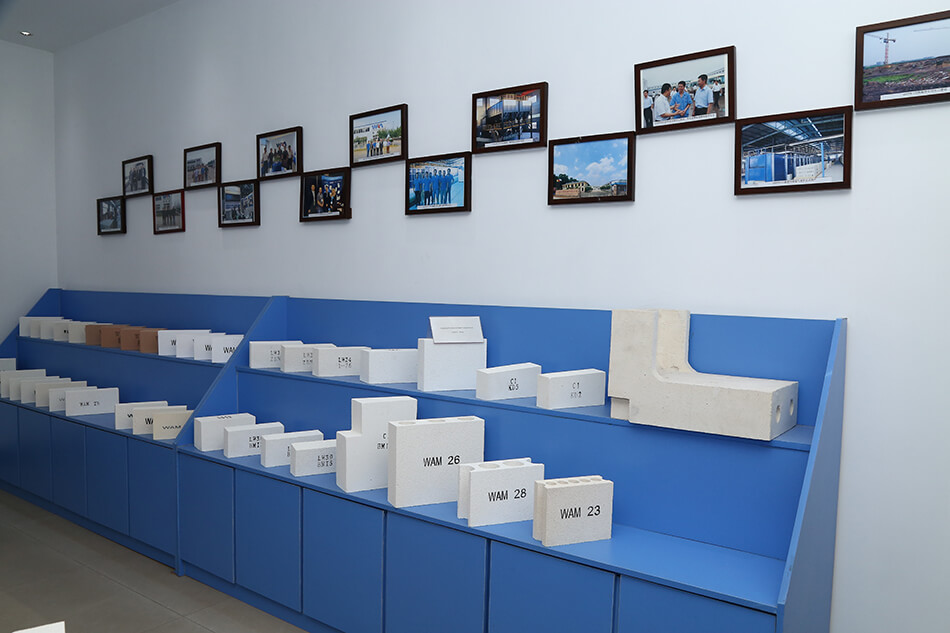
Selecting the best insulating fire brick requires balancing temperature resistance, density, thermal conductivity, strength, chemical durability, and cost. By carefully considering these factors and matching them to your operating environment, you can maximize both performance and efficiency while reducing long-term costs.
For businesses that need more than off-the-shelf solutions, WAM bricks provides high-quality insulating fire bricks with customization capabilities tailored to specific applications. Whether you need standard IFBs or uniquely shaped bricks to fit specialized furnaces, kilns, or industrial systems, WAM bricks can deliver the right solution to ensure durability, efficiency, and long-lasting performance.