The Best Solution For Energy Saving And Reducing CO2 Emission

The Best Solution For Energy Saving And Reducing CO2 Emission
 Tel:
+86-532-85717690/85832089
Tel:
+86-532-85717690/85832089
 E-mail: [email protected]


In high-temperature industrial processes, maintaining structural integrity and thermal performance is critical. One of the foundational components used in such environments is refractory brick—a specially engineered material designed to withstand extreme heat, mechanical stress, and corrosive elements. Among the various types of refractory bricks, alumina refractory bricks stand out due to their superior thermal resistance and versatility.
This article explores what alumina refractory bricks are, their advantages, how they are classified based on alumina content, and the main types available for various industrial applications.
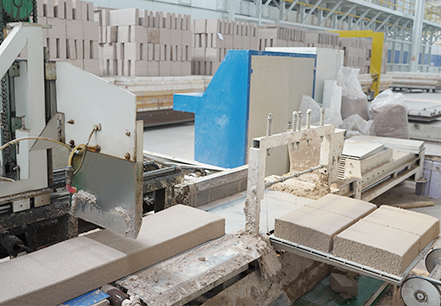
Alumina refractory bricks are heat-resistant structural materials composed primarily of aluminum oxide (Al₂O₃). Depending on the grade, these bricks may also include clay, silica, or other ceramic additives. The core feature that defines these bricks is their alumina content, which directly influences their performance in high-temperature environments.
These bricks are engineered to:
Withstand temperatures exceeding 1,800°C (3,272°F)
Resist thermal shock, mechanical abrasion, and chemical attack
Retain structural integrity over long operating cycles
Their durability and heat tolerance make them ideal for lining industrial furnaces, kilns, incinerators, and reactors across numerous industries.
Alumina bricks are widely favored due to a combination of physical and chemical properties:
High Temperature Resistance
With melting points well over 2,000°C, alumina bricks maintain strength and shape under extreme heat.
Excellent Thermal Shock Resistance
These bricks handle rapid temperature changes without cracking or deteriorating, which is crucial for processes involving temperature cycling.
Low Thermal Conductivity
Many alumina bricks provide excellent insulation, helping reduce energy consumption and improve furnace efficiency.
Corrosion Resistance
They resist attack from acidic and basic slags, gases, and molten metals.
High Mechanical Strength
Alumina bricks can bear heavy loads, making them suitable for structural applications in high-heat environments.
Longevity and Reliability
Their chemical stability and wear resistance reduce the need for frequent replacement, saving time and maintenance costs.
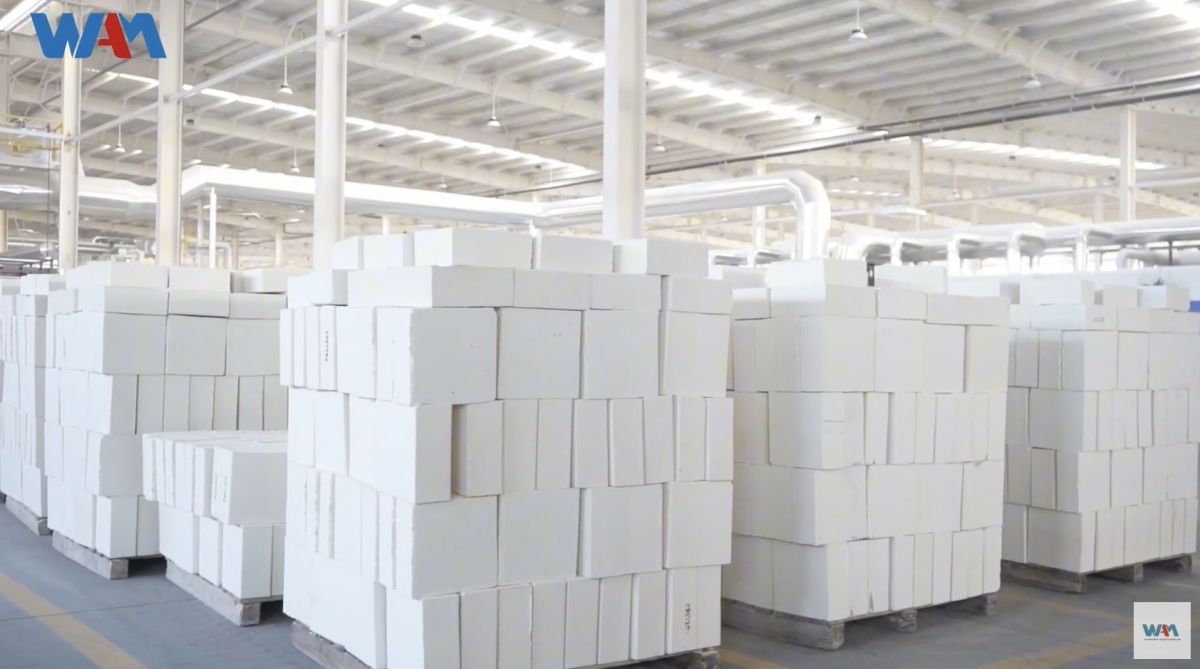
Alumina refractory bricks are typically categorized based on their alumina (Al₂O₃) percentage. This content directly affects their heat resistance, durability, and suitable application.
These bricks are made from fireclay or bauxite.
Cost-effective and used in applications where thermal load is moderate.
Common in incinerators, domestic furnaces, and general-purpose kilns.
Offer enhanced resistance to heat and abrasion.
Common in industries like steelmaking, cement, and non-ferrous metallurgy.
Used for linings in blast furnaces, steel ladles, and rotary kilns.
Composed of synthetic or fused alumina.
Exhibit exceptional purity and stability at extreme temperatures.
Ideal for glass tank regenerators, high-capacity reactors, and advanced chemical furnaces.
Alumina bricks also come in different forms, depending on manufacturing techniques, structure, and intended function.
Designed for environments requiring high mechanical strength and load-bearing capacity.
Offer excellent abrasion resistance.
Suitable for areas with heavy equipment or high gas velocity.
Lightweight and porous, these bricks focus on minimizing heat transfer rather than structural support.
Ideal for backup insulation layers in industrial kilns and furnaces.
Reduce energy costs by retaining heat within the furnace chamber.
Manufactured using phosphate-based binders for enhanced chemical resistance.
Perform well in environments with alkaline or acidic slag exposure.
Common in cement rotary kilns, blast furnaces, and electric arc furnaces.
Produced by melting raw materials at extremely high temperatures and casting them into molds.
Yield very dense, glassy structures that are extremely corrosion-resistant.
Common in glass manufacturing and chemical reactor linings.
Thanks to their durability and thermal resilience, alumina refractory bricks are indispensable in many heavy industries:
Steel Industry
Lining blast furnaces, ladles, converters, and tundishes.
Cement Manufacturing
Used in rotary kilns, cooler zones, and preheater cyclones.
Glass Production
Installed in regenerator chambers, melting tanks, and forehearths.

Non-Ferrous Metal Smelting
Employed in aluminum smelters and copper refining units.
Petrochemical and Incineration Facilities
Serve as linings in reactors, gasifiers, and high-temperature incinerators.
Choosing the right alumina brick for your application involves assessing multiple performance factors:
Operating Temperature
Match the brick grade with the maximum temperature the environment will reach.
Thermal Cycling Conditions
Select bricks with high thermal shock resistance if temperature fluctuations are frequent.
Chemical Exposure
Identify corrosive elements (acidic, basic, or slag) to choose bricks with suitable resistance.
Mechanical Loads
Denser bricks are preferable for high-load zones like furnace hearths or load-bearing walls.
Energy Efficiency Goals
Use insulating bricks as backup layers to reduce thermal loss and energy use.
Budget and Maintenance
Weigh initial costs against expected service life and maintenance requirements.
Alumina refractory bricks are essential for building and maintaining high-temperature industrial equipment. Their high alumina content provides superior thermal performance, chemical resistance, and mechanical strength. Depending on their composition and structure, alumina bricks can be tailored for diverse applications—from lightweight insulation to heavy-duty furnace linings.
By understanding the classification and types of alumina refractory bricks, industries can make informed choices to ensure durability, energy efficiency, and operational safety. Whether you're operating a steel furnace, a glass tank, or a cement rotary kiln, the right alumina brick can make all the difference in performance and cost-effectiveness.
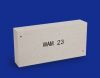
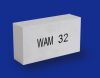
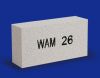
For reliable and high-quality alumina refractory solutions, consider WAM insulating fire brick—trusted for performance, durability, and expert customization to meet your toughest thermal challenges.